

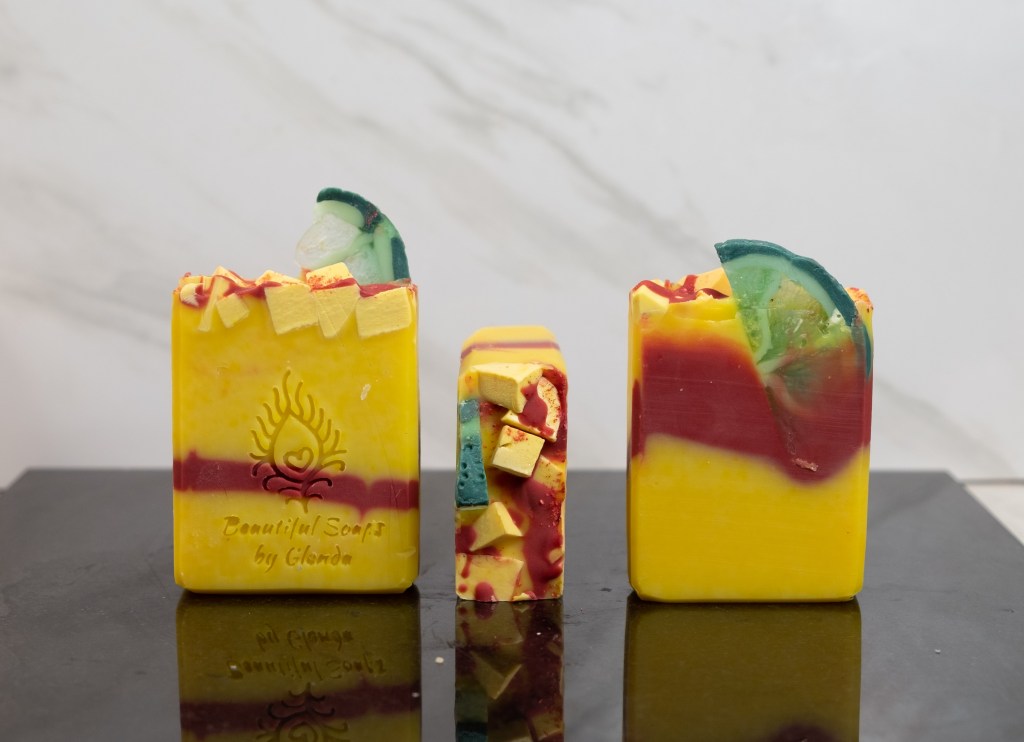
One of the things I liked growing up in El Salvador, is how accessible buying fruit that is already peeled, cut and ready to eat was. When I was in middle school, right after class, by the school doors, there was a plethora of vendors selling candy, cookies, watermelon, mango, and a variety of fruit already cut and placed into see-through bags. Once you told the vendor which fruit you wanted, they asked what seasonings you wanted on it: Hot sauce, salsa inglesa (Worcestershire sauce), salt, lime, alguashte (ground pumpkin seed), etc. then they prepared with the seasonings you wanted, similar to a Starbucks custom order, you paid, got the bag, and you were on your way.
Fruit was not the only thing that was easy to buy. At noon, tortillas were sold to your door. They were still hot from the comal. We only bought enough for lunch and maybe a few to have left over for dinner. Because we knew that the next day we could buy fresh tortillas again. At dinner time, freshly baked bread was also sold to our door. Well, not exactly, we did have to walk a few yards. The lady that sold it, would stop at each block, and if we missed her, we had to walk to reach her at the next stop.
Trash was also collected daily. We would hear the bell from the truck and come out running to put it outside, though often it was so little trash that we just handed the bag to the collectors. Sometimes I wonder why a third World country would have such conveniences. Though l lived in the capital, and perhaps outside of it things were not that way. With overpopulation though, labor is cheap and people do need to make a living, so finding people selling goods or services door to door was not really strange. (There was a guy that would sharpen knives, for example, with a device made with a bicycle wheel, right outside your door). We did have a Cholera pandemic in the nineties, maybe that would explain the quick trash collection. And as a tropical weather country, things went bad rather quickly, maybe that explained the fresh bread and tortillas. We did have refrigerators, but perhaps that wasn’t the case everywhere (I am sure it was not).
The closest thing I can find here in the States, are stores like El Kiosko, and casual fruit stands found on street corners, in a parking lot, in the parts of town where Latinos and latino businesses abound. One of the most popular items they sell is a mangonada. A sweet and savory drink made with mangos, hot sauce, lime, salt and chamoy. Since I wanted to test a mango fragrance, I thought this would be ideal as the theme for this soap.
Equipment
Mold
Fragrance:
Mango sorbet from Nature’s Garden. (This fragrance behaved well and 6 weeks later is still strong. I would not identify it as a mango scent though, it is fruity and sweet, it smells like a fruity sweet scent, and it was one of my nephew’s favorite soaps.)
Colorants
1/4 tsp of Yellow lake from TKB trading
1/8 tsp Red Vibrance + 1/16 tsp of Trial by Fire
Embeds
- Soap dough: Green, yellow, dark green
- Green colorant for melt and pour
- Soap Base (Melt and pour): Crystal Clear MP
- Round cavity mold 2.5″, because this one may be out of stock, you can try a 2.25″ round silicone mold*, for the whole lime embeds.
- Pencil or pointy tool to create texture on the embeds
- Acrylic Roller
- Tissue Blade (These are very sharp and will cut “tissue”; so be very careful with them, make sure to hold them from short edge opposite the blade)
- Clay extruder
My affiliate links:
Several of the links above are affiliate links, as the ones below. If you buy from them, it will not cost you any more, and I would get a tiny commission on it.
Recipe Totals
Note: I am using a lye blend that includes Koh (Potassium hydroxide), mainly because I bought some for a project, did the project, now I have a lot leftover and want to use it up. Also because I have read that it helps increase bubbles, and my husband loves a bubbly soap. You can enter the ingredients in a lye calculator and modify the recipe, to get the correct amount for just Naoh.
Recipe Oils, Fats and Waxes
| Oil | % | Ounces | Grams |
|---|---|---|---|
| Olive Oil | 30 | 4.8 | 136.08 |
| Tallow Beef | 30 | 4.8 | 136.08 |
| Coconut Oil, 76 deg | 25 | 4 | 113.4 |
| Castor Oil | 8 | 1.28 | 36.29 |
| Shea Butter | 7 | 1.12 | 31.75 |
| Total | 100 | 16 | 453.59 |
Recipe Totals
| Liquid Required | 3.59 oz | 101.7 g |
| NaOH Weight | 2.21 oz | 62.66 g |
| KOH Weight | 0.18 oz | 5.14 g at 90% Purity |
| Lye Weight | 2.39 oz | 67.8 g |
| Oil Weight | 16 oz | 453.59 g |
| Fragrance Oil Weight | 1 oz | 28.35 g |
| Superfat | 2% | |
| Total Batch Weight | 23.22 oz | 658.19 g |
| Lye Concentration | 40% | |
| NaOH / KOH Ratio | 95% / 5% |
Custom Additives
| Add with the Fats | ||
|---|---|---|
| Rosemary oleoresin | 0.01 ounce | |
| Add at trace | ||
| EDTA mixed with water (50/50 Solution) | 0.23 ounce | |
| Sodium thiosulfate solution (25/75 solution where 75% is distilled water) | 0.50 oz |
For more information on these additives you can click in the links below, please note above links are affiliate ones
- Rosemary oleresin (My oils already had this added when I masterbatched the oils)
- Tetrasodium EDTA
- Thiosulfate is used as a vanilla stabilizer here
NOTE: This project is intended for intermediate soap makers, if you are a beginner I would suggest you read this post before.

 Soaps by Glenda
1 thought on “Mangonada Soap”