
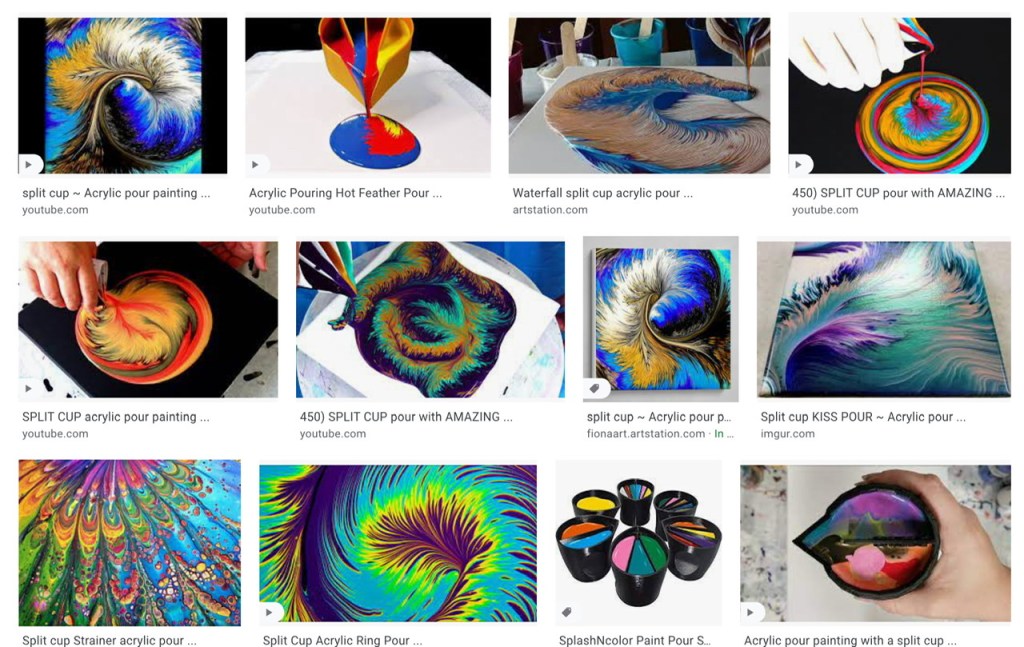
Like many painting techniques that have made their way into the soap world, the split cup technique originated there. It is used to create abstract paintings like these:
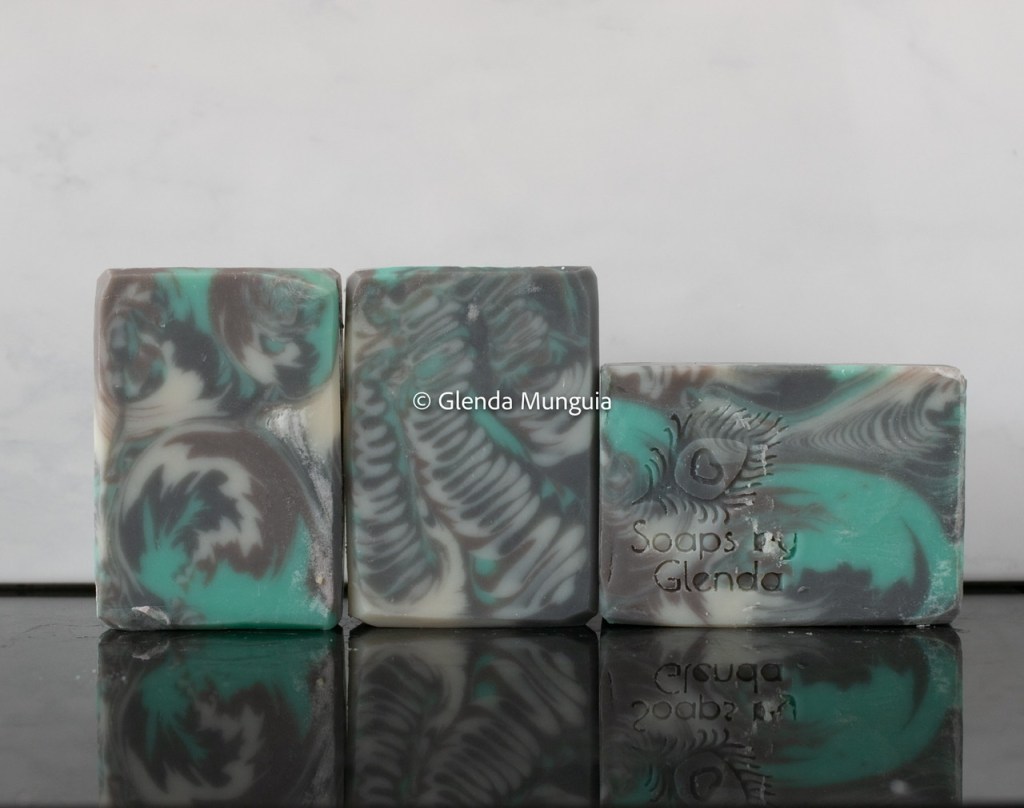
In the soap making world, it can be used to achieved similar effects to The One Pot wonder technique, the Kiss pour technique, and the cosmic wave swirl technique, among others.
I 3d printed my split cup because I wanted it to have a handle and to be large (most split cups in the market don’t have a handle, and since they are meant for paint, they are rather small. The one drawback is the cleaning of it, they should be rinsed soon if you want to avoid having soap stuck in the small corners. I did find a silicone split cup that is supposed to be easier to clean, but it seems rather small. I might give it a try, but I might put it inside another cup (perhaps a ceramic one with handle?) for support.
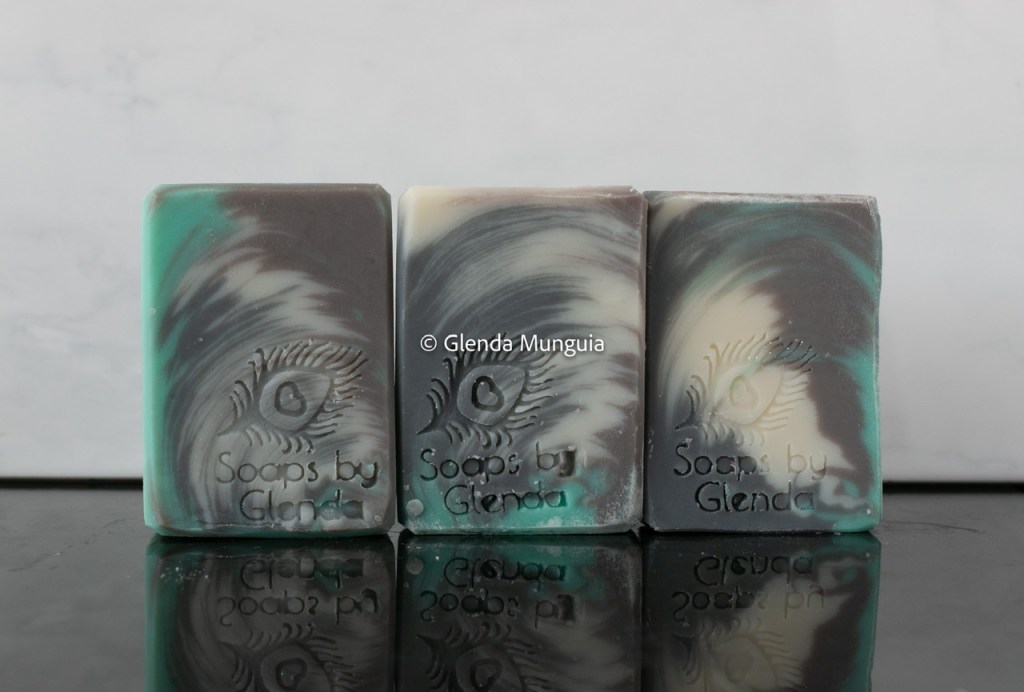
Here is how I made them and below the supplies used (*Some links are affiliate links)
Needed Ingredients
Water + Lye
7.76 oz Water
4.51 oz 100% Purity NaOH
Oils
8.10 oz Coconut Oil, 76 deg
2.59 oz Ricinus Oil (Castor Oil)
2.27 oz Karite Butter (Shea)
9.03 oz Olive Oil – All Grades
9.64 oz Lard
0.39 oz Mango Butter
0.39 oz Cocoa Butter
Custom Additives
| Add with the Fats | ||
|---|---|---|
| Rosemary oleoresin | 0.02 oz | 0.46 g |
| Add at trace | ||
| EDTA solution (mixed 50/50 with distilled water) | 0.44 oz | 13 g |
For more information on these additives you can click in the links below, please note above links are affiliate ones
- Rosemary oleresin (My oils already had this added when I masterbatched the oils)
- Tetrasodium EDTA
Colorant:
1/4 Synergy Mica for a quarter of the soap batter (11 oz)
1/2 tsp Black Pearl Mica for a quarter of the soap batter (11 oz)
1/2 tsp Winter White Mica for a quarter of the soap batter (11 oz)
1/4 tsp Bronze Brown Mica for a quarter of the soap batter (11 oz)
Molds:
10″ Silicone loaf mold from Nurture Soap
Fragrance:
2 oz Seasalt and Driftwood from Crafter’s choice
Equipment
Safety Equipment:
- Nitrile gloves
- Facial Shield (I use either a facial shield or the goggles below)
- Safety Goggles
- Respirator (I use this when mixing the lye, I mix the lye in the window sill, window opened, with a pedestal fan blowing the fumes away, better yet, freeze your distilled water prior) I also try to wear long sleeves, pants and closed shoes. In my personal experience, most of my near misses (when I feel my skin itching or a slight burning sensation), or when I come contact with the soap batter, have happened when I am wiping down the containers, when I am almost done.
Some concepts explained:
*SUPERFAT:
By now you probably know that lye (sodium hydroxide) converts oils into soap, through a process called saponification. And you probably also know that there are specific amounts needed of each for this to happen. Because each soap has a different SAPonification value, different amounts of lye are needed for each oil.
Superfatting sounds like something I like to do to myself when I keep eating after I feel full. But in the soap world, many will know it is when you either add more oils or less lye than it is required. Let’s say, hypothetically, that you need 3 oz of lye to convert 16 oz of manacao oil (totally made up oil) into soap. If you only use 2.5 oz of lye instead of 3, that means that a percentage of the manaco oil will not become soap, but will remain an oil. And this is desirable as that extra oil will cause the soap to become more gentle on your skin, by reducing its cleansing ability slightly. But if you use 4 oz of lye instead of 3, that means all 16 oz of manacao oil will become soap, and not only that, there will be extra lye floating around. That extra lye will be looking for more oil to convert to soap, that oil could be the natural skin oils, which means this soap can burn or irritate the skin.
Usually superfat of at least 3% is recommended as oils properties may change from crop to crop. But even if you had a 0% superfat soap, it would still be gentle as handmade soap creates glycerin, which is a skin humectant. (From most commercially produced soap, glycerin is removed to be sold separately).
*LYE CONCENTRATION / WATER DISCOUNT:
Most soap calculators will give you the amount of water needed to mix the lye with, based on traditional cooking methods of making soap, what we now know as hot process. This is a big percentage of water (38% of the oils) because a lot of it would evaporate through the cooking process. However, for cold process soap this is usually too much water, which can lead to a lot of soda ash or a lot of shrinkage during the cure.
This blogpost explains it better (from modern soapmaking).

 Soaps by Glenda