

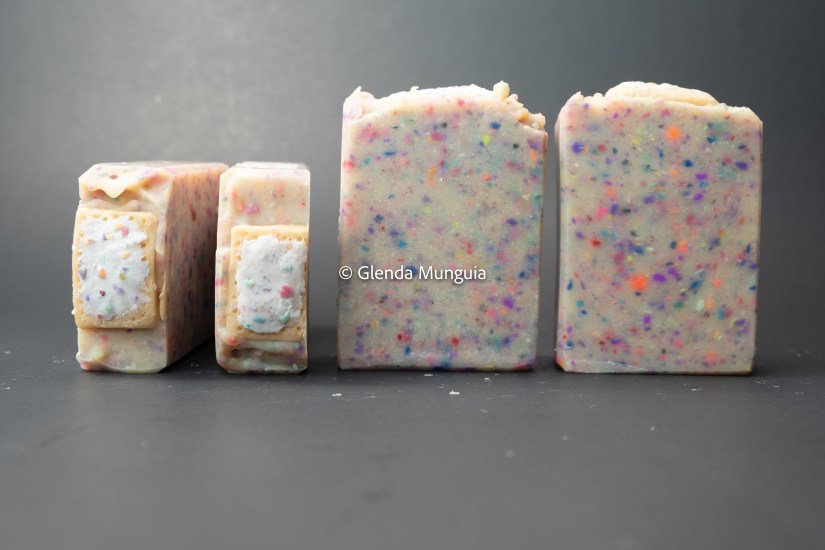
These are some soaps I made earlier this Spring, inspired by a pop tart I was eating. Something I try not to do often. It was not until a few years ago that I realized how many calories pop tarts have! Sometimes ignorance is indeed bliss. When I was younger I did not have to worry about calories or anything of the sort. I enjoyed an efficient and wonderful metabolism up until my early 20’s. Let me tell you, being very skinny is not all that is cracked up to be. People stare, a lot, often wondering if you are doing drugs (or so I imagined). They also feel the need to talk about it. They would tell my mom, “she is so skinny!”, like if I was a really young child and could not understand. That is probably why my mom was so worried about us. I remember she used to buy Ensure (a meal replacement drink) for us to drink in addition to our meals. I remember a coworker jokingly tell me “I hate you” when she saw me drinking it. But I truly enjoyed it, and enjoyed eating lots of food without any guilty feelings. It was a good run!
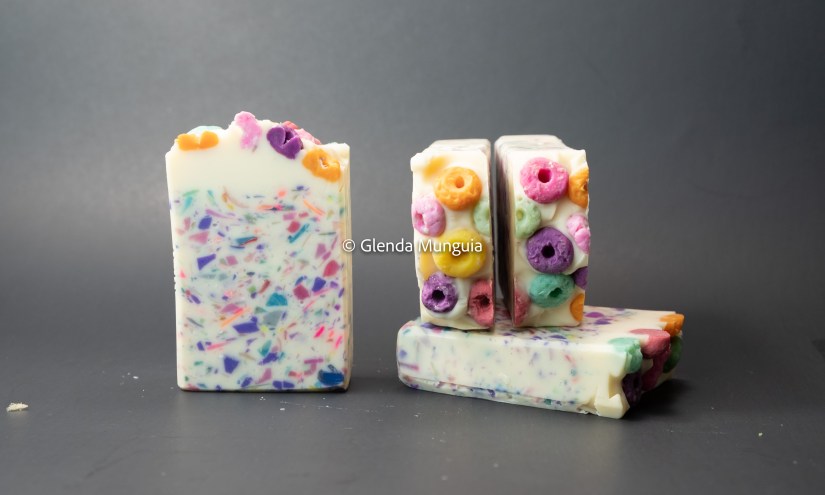
But that was then and things are different now! Still, I enjoy a pop tart every now and then as a snack when I go to the office if I have eaten all my fruit. And it was while eating one that I thought of making a soap inspired by it. This eventually lead me to other sugary breakfast soaps, like the Froot Loops. I have fallen in love with that fragrance (Fruity rings from Nature’s garden), and I am sad that it is no longer skin safe to the 5% usage rate (It is now safe at 3.3%). I am considering making it as hot process soap instead….but who knows. I was curious why most fragrances that have vanillin seem to be affected by the latest IFRA guidelines (49th and 50th revisions). Then I read in another blog that most manmade vanillin is made with clove and cinnamon (Since the demand for it is too high for the natural stuff to be enough) and then it made sense.
Someone from the soapmaking forum group (thank you Dibbles!) had suggested the Ciaglia technique for another soap I was making and I became curious about it. The technique was Created by Fabio Ciaglia, you can find a document he shared in a facebook group here. He called it “Partially rebatched soap”. Since I had a large amount of colorful soap scraps, I thought it would be interesting to divide them up in two soaps and compare what the straight confetti soap would look like against the one done with the Ciaglia method.
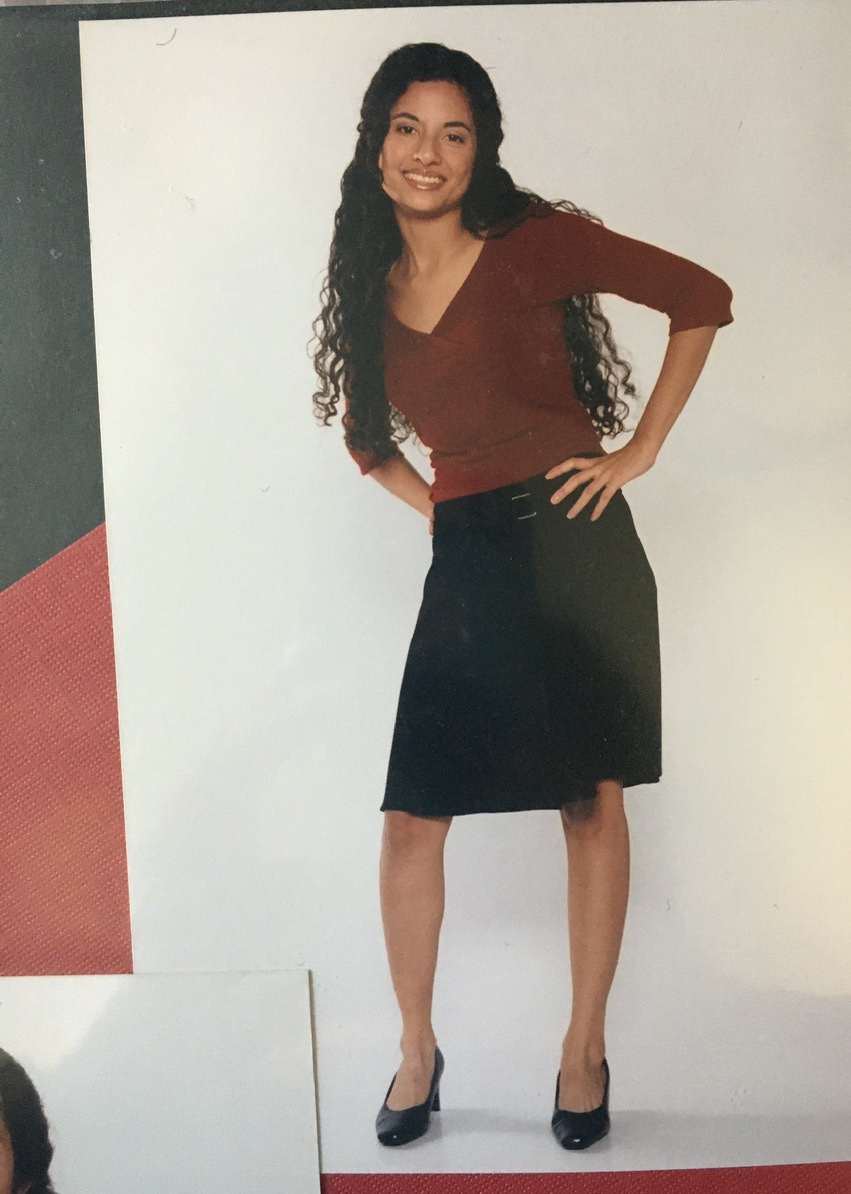
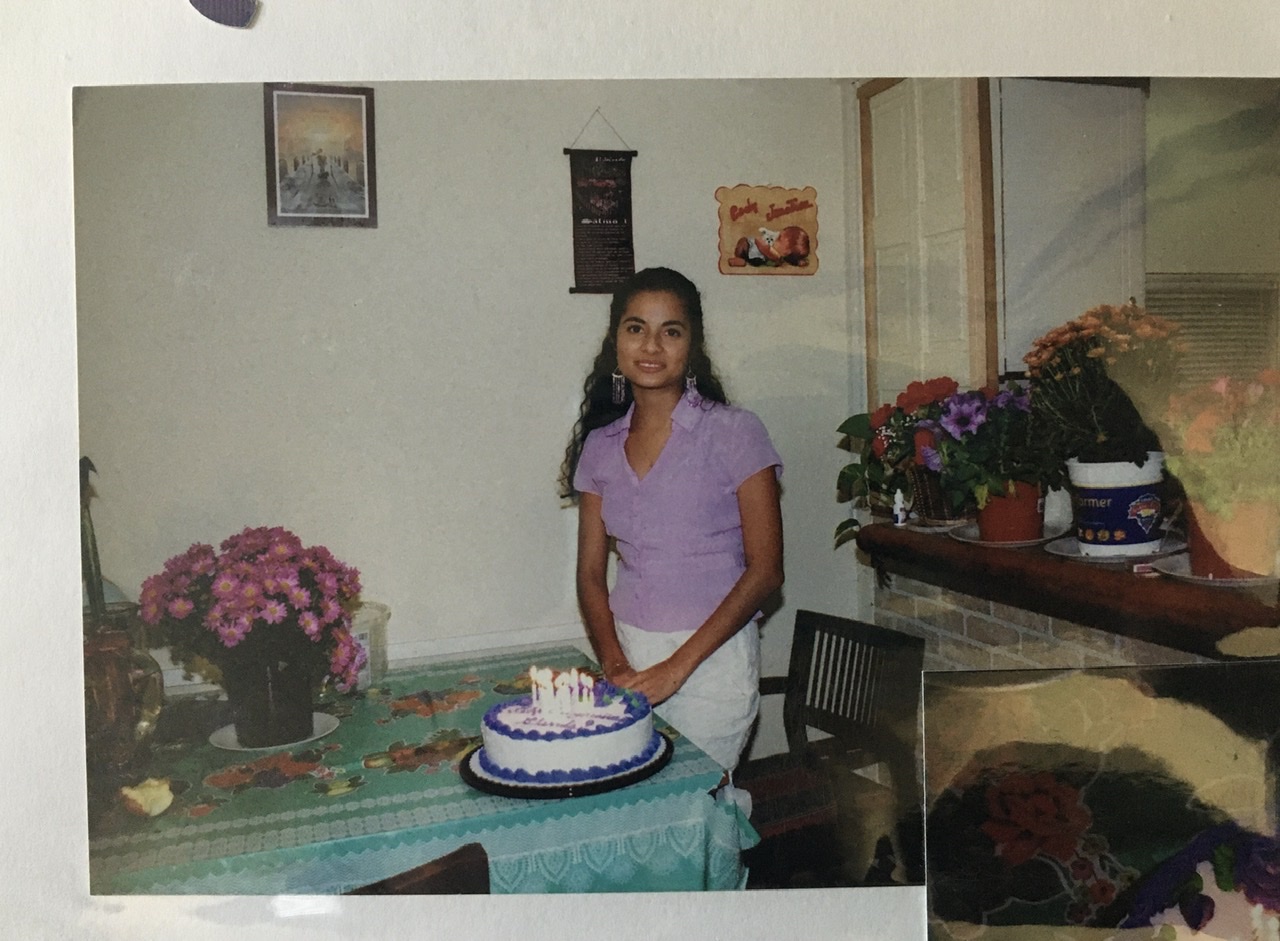
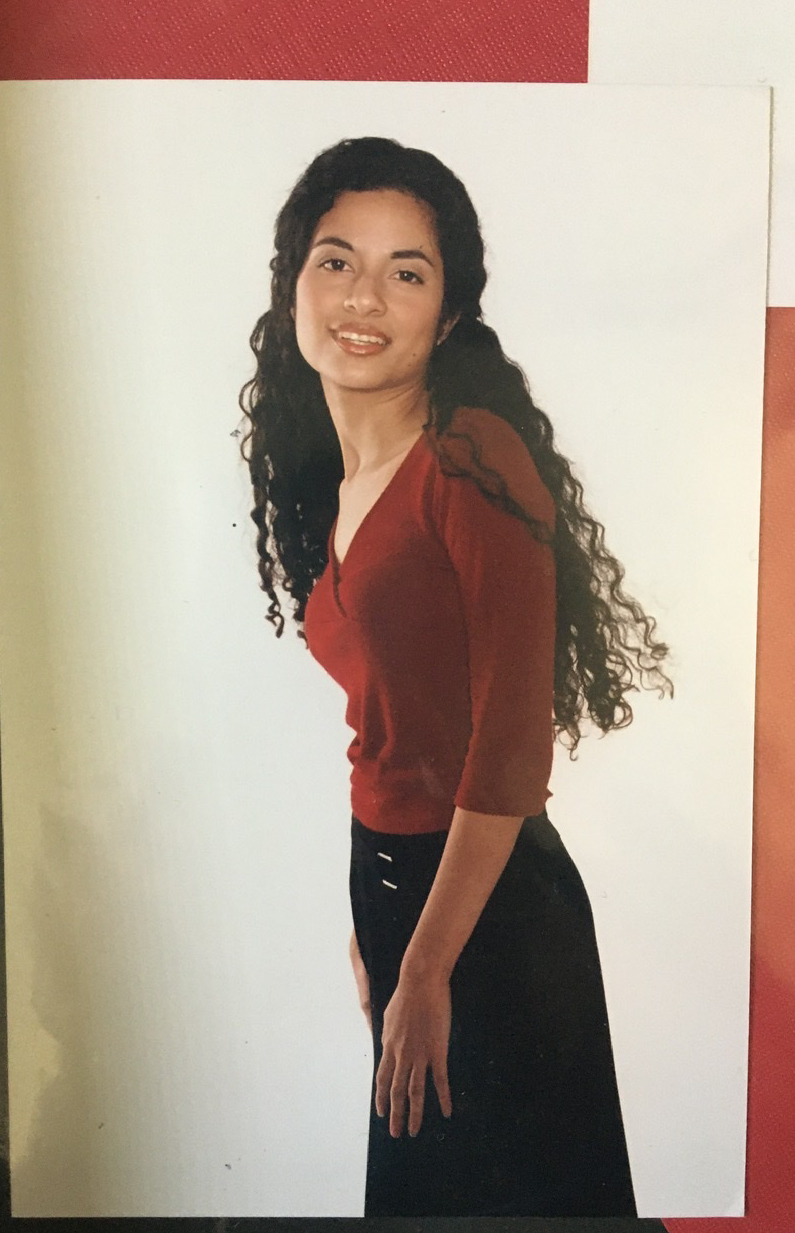
I found some if my 25th birthday pictures and some of my glamour shots (ha!):
Recipe Totals (This was for 4 bars – for the Froot Loops, but I used same recipe to make the Pop tarts, so I had 24 oz of oils total)
| Liquid Required | 2.63 oz | 74.6 g |
| NaOH Weight at 99 % Purity | 1.68 oz | 47.59 g |
| KOH Weight at 90 % Purity | 0.08 oz | 2.14 g |
| Lye Weight | 1.75 oz | 49.73 g |
| Oil Weight | 12 oz | 340.19 g |
| Fragrance Weight | 0.75 oz | 21.26 g |
| Super Fat | 3 % | |
| Total Batch Weight | 17.14 oz | 485.95 g |
| NaOH / KOH Ratio | 97.2 % / 2.8 % | |
| Lye Concentration | 40 % | |
| Liquid : Lye Ratio | 1.5:1 |
Please note that the recipe above has a a very low superfat* percentage, dual lye and a considerable discount-lye water concentration*. If you are a beginner, a recipe like this one might be better.
Custom Additives
| Add with the Fats | ||
|---|---|---|
| Rosemary oleoresin | 0.01 oz | 0.23 g |
| Add at trace | ||
| EDTA mixed with water | 0.23 oz | 6.45 g |
Colorant:
1/4 tsp Titanium Dioxide from Nurture Soap for the Fruity Loops soap.
Molds:
Tall and skinny mold from Nurture Soap with a divider I 3d printed to separate each soap
Fragrance:
For Fruity Loops Soap:
1 oz Fruity Rings from Nature’s garden
I liked this fragrance so much that I picked up a box of the cereal when at the store, since it made me crave it.
0.50 oz of vanilla stabilizer
For Pop tarts soap:
0.50 oz Strawberry kiwi from Lone Star Candle
0.30 oz of Sugared strawberry from Nurture Soap (I can only use it in blends as my DH does not like it alone)
0.20 oz of Pumpkin and brown Sugar from Brambleberry (this has sweet and buttery notes mostly)
0.50 oz of Vanilla stabilizer
I remember I hated the fragrance blend during the cure time, but after 2-3 weeks, it improved a lot and I no longer disliked it.
Embeds
To make the embeds I used soap dough in an assortment of colors. I used gold mica to make the pop tarts color.
- Tissue Blade (These are very sharp and will cut “tissue”; so be very careful with them, make sure to hold them from short edge opposite the blade)
- This is a kit with several sculpting tools
Equipment
Safety Equipment:
- Nitrile gloves
- Facial Shield (I use either a facial shield or the goggles below)
- Safety Goggles
- Respirator (I use this when mixing the lye, I mix the lye in the window sill, window opened, with a pedestal fan blowing the fumes away, better yet, freeze your distilled water prior) I also try to wear long sleeves, pants and closed shoes. In my personal experience, most of my near misses (when I feel my skin itching or a slight burning sensation), or when I come contact with the soap batter, have happened when I am wiping down the containers, when I am almost done.
Some concepts explained:
*SUPERFAT:
By now you probably know that lye (sodium hydroxide) converts oils into soap, through a process called saponification. And you probably also know that there are specific amounts needed of each for this to happen. Because each soap has a different SAPonification value, different amounts of lye are needed for each oil.
Superfatting sounds like something I like to do to myself when I keep eating after I feel full. But in the soap world, many will know it is when you either add more oils or less lye than it is required. Let’s say, hypothetically, that you need 3 oz of lye to convert 16 oz of manacao oil (totally made up oil) into soap. If you only use 2.5 oz of lye instead of 3, that means that a percentage of the manaco oil will not become soap, but will remain an oil. And this is desirable as that extra oil will cause the soap to become more gentle on your skin, by reducing its cleansing ability slightly. But if you use 4 oz of lye instead of 3, that means all 16 oz of manacao oil will become soap, and not only that, there will be extra lye floating around. That extra lye will be looking for more oil to convert to soap, that oil could be the natural skin oils, which means this soap can burn or irritate the skin.
Usually superfat of at least 3% is recommended as oils properties may change from crop to crop. But even if you had a 0% superfat soap, it would still be gentle as handmade soap creates glycerin, which is a skin humectant. (From most commercially produced soap, glycerin is removed to be sold separately).
*LYE CONCENTRATION / WATER DISCOUNT:
Most soap calculators will give you the amount of water needed to mix the lye with, based on traditional cooking methods of making soap, what we now know as hot process. This is a big percentage of water (38% of the oils) because a lot of it would evaporate through the cooking process. However, for cold process soap this is usually too much water, which can lead to a lot of soda ash or a lot of shrinkage during the cure.
This blogpost explains it better (from modern soapmaking).

 Soaps by Glenda